
Webinar Recap: Estate Planning Essentials: How to Avoid, or Navigate Will Disputes


Susan Ilias
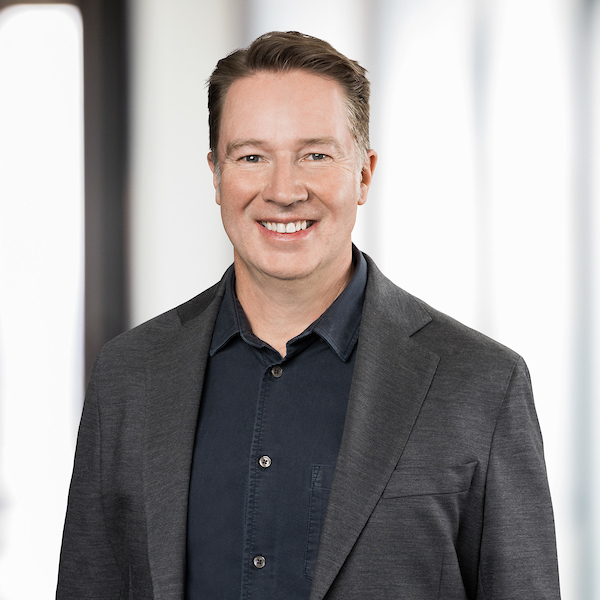
Alister Bayston
A short introduction to the key themes shaping today’s estate planning and will‑dispute landscape.
At the latest Aitken Partners breakfast seminar, our panel explored the practical realities of Estate Planning and the increasingly common problem of will disputes. The discussion brought together:
- Susan Bonicci – Principal Lawyer, Wills & Estates, Aitken Partners
- Carl Wilson – Special Counsel, Estate disputes specialist, Aitken Partners
- Alex from McQueen Group – Financial adviser focused on long‑term wealth planning
- Alister Bayston – Head of Commercial at Aitken Partners moderated the discussion
Estate planning as risk management, not just paperwork
- Alister: framed estate planning as a practical risk management exercise, not something that should be left to a newsagent will, DIY kit or last-minute shortcut.
- Alex: reinforced this by noting that many clients delayed proper planning because of perceived cost, even though the cost was small compared with the value of the estate.
- Susan: showed that proper planning required more than a will, because asset ownership, trusts, companies, superannuation and control structures all shaped the estate plan.
Why estate disputes are becoming more common
- Susan: linked the rise in disputes to broader demographic and financial trends, including intergenerational wealth transfer, rising property values, more deaths each year and widening wealth gaps between generations.
- Carl: explained that housing stress and financial need were key drivers of claims, particularly where adult children were excluded or financially vulnerable.
- Alister: noted that media coverage had amplified concern about will challenges, creating uncertainty around who could challenge a will and when.
The reality of will challenges
- Carl: clarified that large redistributions were the exception, not the norm. Successful claims were usually driven by specific facts such as financial need, existing illness or precarious housing situations for beneficiaries
- Carl: noted that since 2015, eligible claimants in Victoria had been narrower and generally had to show financial need.
- Alister: positioned this as a reason to get experienced legal advice, especially where there were estrangements, blended families or complex assets.
The cost of poor planning
- Carl: highlighted that family provision disputes could be expensive, with each side often incurring significant legal fees that came out of the estate.
- Alister: referred to high-profile disputes as examples of how conflict could consume estate assets rather than preserve them for beneficiaries.
- Alex: used practical examples, such as executors spending a year sorting disorganised paperwork, to show the burden poor planning placed on families.
Capacity, undue influence and vulnerable clients
- Susan: treated capacity as a threshold issue, checking that clients understood their assets, the effect of the will and their moral obligations.
- Susan: managed undue influence risks by taking instructions one on one and looking for signs of coercion, control or over-involvement by relatives.
- Carl: added litigation examples involving elderly parents, adult children living at home, homemade will kits and histories of dependency or domestic violence.
Asset ownership and what actually forms the estate
- Susan: stressed that only personally held assets formed part of the estate. Jointly owned assets, trusts, companies and superannuation usually sat outside it.
- Susan: explained that changing ownership structures could sometimes reduce the size of the estate, although this needed tax and stamp duty advice.
- Susan: connected asset structure to dispute prevention, because reducing what fell into the estate could reduce the target for a family provision claim.
Excluding children and managing estrangement
- Susan: recommended clear supporting evidence where a client wished to exclude a child, such as a letter of explanation or detailed file note setting out estrangement or prior financial support.
- Carl: warned that excluding someone with financial need would often lead to a claim, with the estate potentially funding multiple sets of lawyers.
- Carl & Susan: Noted the importance of planning for likely reactions, including disputes, not just recording the client’s wishes for distribution of assets.
Business succession and liquidity
- Carl: warned that business owners were exposed if they failed to plan for succession, buy-sell arrangements and liquidity.
- Alex: noted that a business was often the main asset and was rarely ready for sale at short notice.
- Alex: recommended buy-sell agreements backed by insurance so surviving partners could buy out the deceased owner’s interest and the spouse could receive cash instead of becoming an unwanted shareholder.
The role of advisers in prompting action
- Alex: explained that financial advisers often triggered the first serious estate planning conversations, especially after a family death or near miss.
- Alex: used client portals and systematic data gathering to centralise documents, assets and liabilities.
- Alister: emphasised that professionals had a role in helping clients understand the economic and practical cost of failing to plan.
Responding to tax and policy uncertainty
- Susan: advised against reacting prematurely to proposed tax changes affecting discretionary and testamentary trusts, noting that trusts still provided asset protection, divorce and bankruptcy benefits.
- Alex: echoed this with clients, warning against knee-jerk asset sales based on proposals that were not yet law.
- Combined point: both reinforced the need for coordinated advice from lawyers, accountants and financial advisers before making structural changes.
Summary:
- Estate disputes are becoming more common as wealth transfers grow, family structures become more complex, and more Australians hold significant assets in property, superannuation and trusts.
- Good estate planning is not just about drafting a will, it involves asset structures, succession planning, family dynamics, and clear communication to reduce the risk of future disputes.
- Delaying estate planning can create significant emotional, financial and administrative costs for families, while early advice from experienced legal, financial and accounting advisers can help protect both assets and relationships.
If you would like to reach out to our team you can find more information about our Wills and Estates practice here: https://www.aitken.com.au/areas-of-law/wills-estates
Susan Bonnici, Principal Lawyer, Wills & Estates
Phone: +61 3 8600 6017 Email: sbonnici@aitken.com.au
Carl Wilson, Special Counsel, Wills & Estates
Phone: +61 3 8600 6025 Email: cwilson@aitken.com.au
Alister Bayston, Principal Lawyer, Commercial Law
Phone: +61 3 8600 6059 Email: abayston@aitken.com.au
Alex Lee, Head of Wealth & Senior Financial Adviser, McQueen Group
Phone: 1300 856 765 Email: clientconcierge@mcqueengroup.com.au
Click below to watch the webinar recording:
Wills and Estates Webinar Recording Summary
Alister Bayston 0:00
Good morning, everyone. Thank you for joining us today in person and online for our May Aitken Partners breakfast seminar on estate planning essentials, tips to avoid or navigate will those disputes. My name is Alistair Bayston, and I'm head of commercial in the Aitkens team.
Today's discussion will focus on the practical realities of estate planning, including common sense issues that can give rise to disputes, the steps that can be taken to minimise through risk-affected planning, that how disputes can be navigated. We'll also touch on the role that advisors, financial advisors, can play in this increasingly complex financial world of family structures and generational wealth transfer.
This is an area I'm somewhat evangelical about, and I'm often giving either friends or colleagues a bit of a push about the importance of estate planning and having a valid now I know there's a very private question, so I'm not going to ask any of you who does not have a will, but put your hand up if you think you've actually got current binding will, and now if you put your hands down the way to make one of the ones that didn't put their hand up.
Alister Bayston 1:26
This is an area that continues to evolve, particularly with changing economic conditions and recent federal budget announcements. We've seen extraordinary generational wealth transfer, and that's pointed some very careful and thoughtful consideration of what the vision for the test agent is for the family wealth, and there's those that have not planned adequately or haven't contemplated the unexpected. So feel free to ask questions throughout the session and webinar audience. There's a Q and A function which you can type the question into, and they'll be relayed to us, and we'll answer it best. We can elect to introduce the panel.
We have first Susan Bonnici. Susan's a principal estate planning lawyer and head of the Bills and Estates team. She's practised extensively in areas and trusts since her admission, extensive experience across estate planning, estate administration, and estate disputes. Susan is known for providing tailored practical advice that reflects each client's unique personal circumstances and has an additional specialisation in disability trusts.
Carl Wilson, who is at the end of the table, he's also in our Wilson Estates team and Aitken partners. He advises across a broad range of state disputes, so I think about Susan as being the GP that protects and manages and plans, and we've got Carl, who's the paramedic, or the things we'd see is that a surgeon, so Carl crystallises does a lot of work and applications involving executives and trustees, and he's known for providing clear practical and strategic advice.
Alex, a close ally of Aitken Partners, but not one of ours. He's a member of McQueen Group, a financial services organisation, which he joined in 2015 after spending nearly a decade in the financial services group, known for strong client relationships and practical approach. Alex works closely with clients to develop tailored advice strategies, and with their long-term financial goals and aspirations, this methodical client-focused style helps clients navigate both immediate financial decisions and broader wealth planning considerations. Please welcome our panellists.
Alister Bayston 4:04
We hear a lot in the media about anecdote about people challenging wills or family claims to receive a greater share of the estate, and anecdotally I see that amongst my peers, and it is tough on families, and probably at the wrong time of things, as a senior lawyer, Carl working interstate litigation, you explain for us when a will can be challenged and who can challenge interstate.
Carl Wilson 4:31
Thanks, Al. I think there's certainly a perception created primarily often by media sort of sensationalist media coverage that wills can be challenged and that there's more or less a cottage industry that's grown up in challenging wills and that's really an example of that that I'd like to take you guys to, is an article from the Australian Financial Review, dated 7th February 2025.
In 2023 Anna had a will bequeathing her million-dollar estate to her daughter Labrini, wholly excluding a second daughter, Aristea, surely the existence of a valid will containing Anna's express wishes should be enough to guarantee faithful execution of her last wishes. Not so, Aristea challenged the will in the county court and came away with $475,000 or about 41.38% of the estate. Anna and Aristea had a strange relationship stemming from quote unquote, difficult temperament and cultural issues. Nevertheless, the judge found the will maker had a moral duty to provide for Aristea, who was a single mother with limited finances and some health problems.
I say that close to that case equally close to my heart, because I acted for Aristea in that case, and that's one of the largest judgments that the county court has ever made in a family provision claim, but what I think of this article under emphasises in the special circumstance of unique circumstances with a claim like that. This was a very special culmination of factors that made that sort of claim possible, but what I want to, I, what I would emphasise is that generally speaking, that's the exception rather than the rule, because since 2015 Victoria Victoria, the categories of claimants who were able to even make these claims has been cut down very substantially, effectively for practical, practical purposes, it's children, domestic partners, wives, stepchildren.
There are some other exceptions, but they're very rare in practice, and in all of those claims, there's a primary threshold test, essentially to show some financial need, and when I say financial need, you don't need to suggest you don't need to be on the level of the Aristea, or living in a car, what we commonly see in claims like this is people who might be in their late 50s, they've been through a divorce, they have a substantial mortgage, or they're at the end of their working life with no superannuation, that's the sort of financial need that one often sees in these cases, and the way that those cases, therefore, lay out in practice is that if a claim is made, a settlement or court order is generally tailored around that financial name that the claimant is shown.
So the claimant has got a mortgage of say 150,000 or needs a top up on their super of say 200,000 What might order would they do a settlement of a case where there's a carve out, a limited carve out from the estate, that amount place perhaps a little bit on top for costs, but It's not my perception at the moment that there's any sort of free for all in these cases, particularly where there's been proper state planning and thought given to how to structure the world. A final observation on that point is that increasingly what what I'm seeing in these cases is that the defense of family provision claims is starting to be concentrated in the hands of firms like Aitken partners, but there are others that have a particular expertise, and that have in these sorts of claims, but often you see that the will might have been drawn by a suburban solicitor, and that will cuts out a child, for example, then you see a grant of probate obtained by that local solicitor, but within one or two months the executor essentially goes, goes to a city lawyer, stronger city lawyer, and defends the claim with a lawyer with the particular expertise and resources in this sort of area, so it's a challenging time for these sorts of claims.
The other type of claims that I do want to just touch on, because we're going to talk about a little bit later, is is a capacity type claim. There, what essentially in those sorts of claims, the will is a challenge, not on the basis that a particular beneficiary doesn't get enough from it, but because the person who made the will didn't have legal capacity at the time when the will was made, but they might have been suffering from dementia, they might have been suffering from Alzheimer's, they might have been suffering from schizophrenia, it's any other sort of mental disorder of that nature, but my observation in practice, from doing 1000s of these cases, is those sorts of claims are quite rare. They're ordinarily one finds that people make wills with a solicitor, it's ordinarily the practice that that solicitor takes get full file notes and obtains some sort of medical evidence to satisfy them the person in what they would do, that's really, I would say, that the battleground in estate litigation is primarily on the family provision side rather than on the capacity area.
Alister Bayston 5:17
Thank you Carl. For Charles Dickens fans they would be familar with the case where two families litigated until there was nothing left in the estate, so as mutually assured destruction. I understood that an applicant for challenge in the real world, is on where a claimant thinks they could get their costs paid out of the estate and thereby remove the cost burden from bringing the claim - this would suggest to me "why not have a crack?" but I'm pretty sure it's not that simple.
Carl Wilson 12:25
So the cost question is a really good point. Now, there was for many years, there was even a provision in the act that essentially provided for costs to come out of an estate for a successful applicant, and on the back of that legislative provision, they sort of grew up a practice that there was there was an expectation as part of any settlement of any claim that a claimant wouldn't get their costs out of the estate. Now, rightfully or wrongly, my experience is that that sort of practice continues, and practice being the lot in this jurisdiction, because the law is one thing, but what's happening on the ground day to day mediations can sometimes be something completely different.
So what you would normally expect to find in a mediation of your typical garden variety family provision client is that you might have costs of each side somewhere in the range of $35K to $40K which sounds a lot, but probably there's other jurisdictions. It's starting off, there's other jurisdictions, family law, commercial law, which have much bigger numbers than those, so those that's the sort of cost savings.
There's generally, as part of any deal, everyone's costs would be taken off the top, and then the rest of the estate would be divided, either on a percentage basis or lump sum, but I think you know from an estate planning perspective that practice is relevant, because if you're thinking of cutting out, or someone you know is thinking of cutting out a beneficiary, what you can take as read is that there's going to be a claim against the estate, subject to that financial need threshold that I was talking to, but those costs will come out of the estate, and if there's two sets of lawyers, we're talking 75K to 80,000K there's three sets of lawyers, could be 100,000K ore more.
That's something I always think when I'm speaking to clients who are minded to cut people out. I would have thought that's something to really consider, because effective legal defense, the huge chunk of the estate, a million dollar estate. We might have 10% of it dying up this fund in legal costs, even with a valid will.
Alister Bayston 15:31
Yeah, thanks, Carl. On the approach to using appropriate lawyer, for drafting a will, not the surprise where people sometimes cut corners on costs. If you talk about everything you've generated in your life's work and what you've generated through your ancestors, can you get a newspaper solicitor to do you will - it doesn't make sense. Susan, broadly speaking, are you seeing a growth in these sort of claims, both, and what do you think is underpinning that?
Susan Bonicci 15:59
We are sort of seeing a growth in the amount of family provision claims that have been brought, and I think the background to that is the shift in demographics and the environmental economic factors that are occurring just in the community at the moment. A couple of stats that I've pulled out just to sort of illustrate the huge changes that are happening in estate administration, estate disputes, probate, and succession planning.
There was a 2024 report by JB Weir, which estimates that in the next two decades there'll be a $5.4 trillion transfer of intergenerational wealth, that's the amount of funds that are going to be transferred from one duration to the next over the next 20 years, $5.4 trillion Another study by the Grattan Institute revealed that the average net wealth of households headed by someone between 65 and 74 years is now $1.3 million. Back in 1994 that was only $530,000. So, there's been a huge growth in the value of estates as well, largely due to property prices and the expansion of superanuation. The ageing population has also meant that now more people are dying, and will ensure that rate will continue to increase.
So, in 2024 there were around 185,000 deaths in Australia, and in that the ABS has forecast that by 2030 which is only four years away, so much shockingly, that number of deaths per year will be over 200,000 So, death rates are increasing, and the value of estates are clearly rising significantly. There's also a huge disparity now between the amount of wealth in the different generations, so you can see, you know, baby boomers now are three more times like three times more likely to own their own home than millennials, and 80% of Australians over 65 years own their own home in 2021 so the amount of wealth held and accumulated by the older generations is clearly a lot higher than 35 to 45 year old brackets, where household debt has doubled recently.
So, there's a huge disparity in wealth, growing number of deaths. Assets are being held in more complicated ways as well, so different structures and companies, digital assets, cryptocurrency, there's a whole range of factors, which means that people need really good advice when it comes to estate planning, and if people are being excluded from wills, they have more incentive, I guess, to try to do something to bring a successful challenge.
Alister Bayston 18:59
From a wills and states perspective, that's the business plan that writes itself. How do those stats resonate with what you're seeing in practice on the dispute side of the equation? And we've got examples that you might share with us about what went wrong, what remedy was sought, and maybe even what could have been done differently.
Carl Wilson 19:20
Certainly, that's the case. A number of these claims I think it's only going to grow. I think the factor that is that Susan mentioned, that I think is the most critical one is the fact that house pricing has been so high that there's an element of desperation that creeps in to people when they see that mum or dad might not have long to live. I'll give you an example about how this plays out with capacity disputes often it's very common in our space to have mom or dad sitting alone with an adult daughter or son who may never have left the house or may have left the house and come back to the house and perhaps things in their life they've not quite gone to plan, and they're living under the same roof with mom or dad.
Sometimes that's a relationship that works for both parties, because the elderly mum or dad gets companionship and support someone to take them to a medical appointments, and the son or daughter gets a roof over their head, but what often happens is the older that person gets, let's say they get into their late 80s, they might start getting the early signs of dementia, they may become increasingly frail, then something there's some sort of incident, for example, they have a fall that requires a hospitalisation, and then it quickly dawns on the child living in the house that they are particularly vulnerable because dad might not have long to live, and or mum might not have long to live, and they die, and the will leaves the estate equally to the other brothers and sisters. There's a high probability they're going to be out on the street, and if house prices being what they are, realistically they're never going to be able to get into the housing market.
But what happens often, one sees that after such a medical incident, sometimes within days, sometimes within weeks, a will appears, which gifts the residence to the son or daughter living in the house, you see different versions of it. Sometimes mum or dad is sort of marched off to the local solicitor, where they meet that solicitor for the first time. It might not be their family solicitor, and a will is drawn, sometimes you see the notorious post office will kit.
We had an interesting claim here at Aitkens earlier in the year, a scenario where dad was really late 80s, early stages of dementia, had a big fall, spent time in Box Hill Hospital. The adult son, who in fact never left the home, and he, so within 10 days of Dad leaving Box Hill Hospital, that being a homemade will kit made that was drawn by the deceased. It wasn’t a fraud, it was formed by the deceased in his own handwriting. It was obviously had the hands of the adult son involved at all stages, because he was driven to the chemist at the local Shopping Centre and the will was witnessed there. The other witness to the wheel was the adult son's girlfriend, who also lived in the house. And there was also a history of domestic violence issues at the house, which we had uncovered via subpoena to the Victoria Police, so we built a case where, based on capacity, a loss of lack of capacity and undue influence and coercion, and we were able, the case was referred to the court ordered mediation and we settled at, and we got strong settlement it based on those factors: the fact that we had this homemade will kit, the police attendance, a whole sort of series of factual sort of matters that cast doubt on the making of the will
But that's a sort of example in practice of what you see, and I think that just sort of consistent with what Susan is saying about that, the issue of property prices is the driver of a lot of these disputes. It is heartbreak, isn't it, to see the behaviour of some people at a crucial stage of life. Things could be quite different, so characterise Susan as you say, the GP, the prevention stage of planning to avoid situations like that. well, I think it could be different.
Alister Bayston 25:21
What sort of strategies can people use to try to reduce the risk of a challenge to a will, that the testators wishes flow through to beneficiaries intended?
Susan Bonicci 25:34
Yeah, that's a really good analogy. I'm like the GP, so I'm there to protect the will, explain the risks, make sure that everything is done properly, so that there's no surgery or anything required later on. So, there's a few different risks and challenges that can arise that Carl has explained.
The first is really around testamentary capacity, so that's one of the first tests that I'll go through when I'm meeting a client. Do they understand the nature of their assets, are they able to provide clear instruction? Do they understand their moral obligations to provide for people? Are there any illnesses or diagnoses that might even catch their cognition and their ability to understand the documents that we're preparing and signing? If I'm not sure about that, or if there's any sort of doubt in my mind, I'll also request medical evidence that can then be used if the wheel is challenged on in his mouths. That's how I sort of deal with the testamentary capacity issue at the planning stage.
There's also the undue influence risk that we see quite a bit, where there are sometimes well-meaning family members involved, sometimes not so well-meaning family members involved. It is quite common that adult children will bring their elderly parents to a meeting, because they are the ones sort of looking after them and driving them around, and like being there to support them through their, through their, through their ageing years, but there is sort of a limit there in how much that that person can be involved in that failing stage, and I've got to make sure that they're not exerting any influence or control over that person's decision making when they're making their will. That means taking instructions from the client by themselves, making sure there's no one else in the room when they're giving instructions or signing the will, trying to get a glimpse into their home lives to make sure that they're not being coerced or abused or influenced in any way when making these types of decisions.
A big thing as well that I see quite common commonly in my practice is clients coming in and saying just outright, I know what the risks are, I don't care, I hate this son of mine, hes not going near my will in any way, I haven't spoken to him in 30 years, I don't care, I don't care what the costs are, I'll be dead, whatever, I just don't want this person to get anything from my estate. There are some strategies that we can talk through there to reduce the risk of a claim or to mitigate that risk.
The big thing to understand when it comes to everybody's estate planning, so this is advice for everybody in the room, whether it's a risk of a challenge or not, your estate only the only assets that will form part of the your estate are those that you own in your sole personal name. Anything that you own jointly with somebody else doesn't form part of your estate. If the other owner survives you, it automatically goes to them. Anything that you own outside that's not in your personal name, so if it's held in a family trust, if it's held in super, if it's held in a company, they're not your personally held assets. So sometimes a strategy that clients will choose to use is to move assets out of their personal name into either another entity or to own it jointly with another party, and there might be stamp duty or tax consequences for doing that change of ownership, but that will effectively reduce the size of the estate, which might make it less appealing, because I'm wanting to bring a challenge, because they can only claim upon whatever's in that asset book.
There's a few other strategies that we can use, so where I do get a client who's just adamant, "I hate my son, I don't want him named in the will. One thing that I will ask them to do is to provide a separate letter where they might explain in that letter the reasons why they've made that decision. It's not part of the will, it's just something that can be stored with the will, and that letter that can then be used as evidence if there is a mediation or there is a trial that challenges the estate. Obviously, the will maker is not going to be around at that point in time to speak for themselves. So, having a separate letter where they can explain the nature of the estrangement, or whatever the factors are, or why that person has been exploited, sometimes it might be. He, the person says, I've given this child of mine $50,000 every five years to bail him out of all of his failed business ventures. He's got enough from me. I'm not going to support him anymore from my estate, and that can be quite a strong factor in defending a claim. So, putting all of that in writing as well, whether it's just in my file notes or if it's a letter from the bill maker, can be quite an effective strategy.
There's also a few different things that we do with blended families, which is another huge reason for this catalyst of claims being brought against estates. Why is it? There's a rise in blended families now, and that creates all sorts of complications from estate planning, estate administration, and estate disputes.
Often, one thing that I will recommend with blended families is for each couple, each member of the couple to have their own assets that they can leave to their respective children, so that it's not all going to the surviving spouse, who can then change their will and leave everything to their own biological children. That sometimes might involve severing a joint tenancy on a property, putting rights, interests or rights to reside into the will, so that each party will have their own assets that they can pass down to their mutual will agreements can also work in that context as well, where they've got a couple who both have children from previous marriages and they both them have the intention to where they both pass away to leave everything to all of the children in equal shares, but you want to make sure that the surviving spouse isn't going to change their will. They can effectively sign a contract that says if you die first, I promise that I'm not going to change my will, I will leave it so that everything goes to the four or five children in equal shares.
Carl Wilson 32:03
Susan's very interestingly touched on the mutual wills contract point in second marriages, and I thought, just from a litigation voice perspective, I just like to relay, just that it's an observation that I've seen from practice, which, and anyone who practices any practices in this space, might have one or two these cases on the books at any given time. Inevitably, what happens when blended families say, Dad remarries, he's got two kids, then your wife's got two kids. They might have a great marriage and a great second marriage. It might be even better than the first marriage. Everyone's very friendly. They come off to a solicitor and make what's called mirror wills, where each of them agree that whoever goes first, they'll leave it to the other, and then equally to the four kids, like three step kids and one biological kid, and that always all sounds fantastic, and I've seen any number of these mirror wills, but inevitably what happens is the dad goes first, just through biology, men seem to die first, and then the surviving stepmom or mum goes out to a solicitor, sometimes within months of the person dying, changes the will to leave everything to her own kids and cut out the step kids, and sometimes they sometimes you'll even go back to the very solicitor who may, the mirror will.
I don't know what it is about human nature, but that's it's an incredibly powerful instinct to want to do that, to leave everything to your own biological kids. I've got a case at the moment where. Um, our clients Dad remarried, he passed away. He had a will where he left most of his estate to his second wife, but a little bit to the kids. Second wife made a family provision claiming, saying she wanted the whole estate, but basically cut out all of the kids.
That case settled many years ago, 2006 20 years have passed. She's now died, having taken her step kids' inheritance effectively through the family permission claim. Do you think she's now made of will, where she's left everything equally, so her own kids and the step kids? No, she's cut out, she's cut out those kids, and everything goes to her one biological child. But again, it's observation is blended families, it's a fertile area of, this sort of dispute, and it's exactly the sort of area don't, don't think it won't happen to you, because it will happen, and you really just do need to adopt some of the planning strategies that Susan's quoted.
Susan Bonicci 36:25
so when people die without a will, that basically means that the legislation, sorry, the Administration and Probate Act sets out who's entitled to receive the estate, and that goes down a list, so it'll be part of the first part that and children, or you know, the children from a previous relationship, they'll get a cut as well. If there's no partners, go down to the children. There's provisions in there about people who have multiple partners. I can see that play out in person, but that would be interesting one to be involved in.
And then it goes down to sort of more remote next of kin. After that, an interesting thing about that, though, is that it will be the person with the largest entitlement to the estate who is entitled to bring the application together, that is of administration, which means they get then appointed to manage the estate, that sometimes results in people who don't have the skills or the or the interest really in being appointed to manage the estate assets, but sometimes also that administrative role flowing to them taking control of self-managed super funds, family trust companies, and often it's somebody who doesn't have familiarity anymore of that, and it really wouldn't have been the way that the built that the person who's deceived, the deceased person would have wanted. So, we've seen so many cases where the wrong person is put in charge of these complex, complex results, complex assets, and the results are not what anyone would have intended. So the planning is the key.
Alister Bayston 38:06
Alex, Let's bring you into the party. I think it's very helpful to get a sort of financial advisors perspective at this. What's your experience when it comes to engaging with clients on estate planning, and trying to advocate, persuade them to put forward into it and do it in a measured way that reduce the chance of conflict and follow through our wishes.
Alex Lee 38:29
We've been trying to use some medical terms. I think I'm the GP's assistant. So it's down to us. So, I think it's said there, we, I had a session last week where the financial advisor, but actually think if you drop the financial part, our job is more around being an advisor and having conversations with our clients around just teasing out more than just that financial conversation around your what they want to do, and everything's about their thinking about their goals out in the world, the. That all looks like, so then you know, again, try and make some of these things grow, so marriage ends with our meetings, and the state's needing met to talk to our clients about that, and typically I will sort of find is don't have the stack, but wouldn't feel probably less than 15% and clients don't have their estate lending order treatment, we're trying to use some stories of what's recently occurred, or what's happened, to try and sort of, I guess, invigorate some change, but mainly it's there around cost, is probably my blocking point there for people, or what you sort of mentioned before, we kind of then go, well, if something was to happen in a situation, we've got insurance policies, super family loan, Investment Properties. It may be $5 million that's going to go to two kids, and we're talking about less than 1% cost to make sure to that is sorted. Then, yeah, four or $5,000 might sound like a modest invoice, and what is that actually going to fix so sort of trying to change that mindset a little bit there to invest in some advice to improve outcomes.
And I guess the dramatic events usually for us is when someone actioned and wants to make that change, it's been a result of family passing away, close friend or brother in a recent month for a client was the brother did pass away, he was the executor and had to go to the brother's house out there and you know there's a room full of stacks in a paper it's like it's no order, there's nothing, and probably it's, you know, the client spent it with his next year, year and a half filtering through what actual assets he has. He then even then may have to fund costs during that time to actually get this from point A to now suddenly, that's it, and they found super last week after a year, but that sort of event for us then triggers those clients to go I don't want to leave that type of situation to someone I care about and then we sort of flow that into we have a client portal that we use for our clients grab again allow them to link seeing him just add all documents to that spot, so we try and use that from a perspective to go, yeah, it's a bit of hard work upfront, but then from an estate plan is we can then underpin the document done properly with the way that's going to actually hopefully get the app on the reside, but then also our business card or the login details of this portal, there is all of your asset balance sheet things about the banking sector is going to need, or try and simplify this process.
Alister Bayston 41:50
A little bit more of a homemade version from me - a friend of mine, who's asked me to be his executor, gave me a roadmap, three pages as to all his advisors, all his assets, and even his AOL email account password, which I thought was a little much less sophisticated than what Alex is describing. There are some very basic things you can do to make them easier on your estate. because I work in the commercial space, and your lot of your work deals with business owners who must be thinking about succession. What are the sort of things that come up in conversation through clients or strategies that a business owner might have in mind that might lead to a smoother dealing with their expectation on their death.
Alex Lee 42:41
I think again, from a business owner perspective, this is probably where we try and use the or what I try and do is make business personal is again when we speak to business owners, both people's business is the main asset in their balance check, that's where they put a lot of their energy, a lot of their focus, and that's where the income is, and everything drives out of that, and then what we sort of, and then we talk about plan A. Plan A's obviously want to sell it, and that's my exit strategy to potentially pay off mortgages, or that's the retirement nest egg. And then we then have that conversation about, okay, well, what happens if you pass away? Or say Plan A is like this, Plan B is, but what happens today if Plan A doesn't work, and if your business asset isn't liquid, the business hasn't actually provisioned for how they're going to pay out your estate for your 50% share, that could be two, three, or $5 million that amount isn't an asset that offsets the need for your estate, and should be leaving your spouse. Amount of funds to pay off the mortgageleave a happy retirement. Told us you want to do that's how we've been told to do. You had those buy-sell agreements. He had those conversations with your fellowship elders to go make. If we don't have this insurance, obviously, to live, you know, liquidity lever, my spouse or your spouse is going to come into the business and sit in my seat, because they're going to be in check holding business. Do we want people you had those conversations?
Businesses going for is absolutely no way. I want, I probably, my spouse is to invite spouse, wouldn't want to, for business partners, we don't want their spouse, it's not allowed with this, and what's going to happen, so you get started thinking to go well. Actually, if we put in place those insurance policies, which provide that revenue for three or $4 million per shareholder, might plus 1015, $20,000 which, again, from a percentage perspective, is nothing compared to the issues if this wasn't in place, and you know they've talked about how do you fund it, so is it higher salaries? Is this pay for it to talk shit organ purpose? There's the key person covered it to talk to you, Joe. You're out, you're obviously buying importance in the business. Sorry, you're not there, but you might think that revenue might come down, or your clients might leave, so there's a protection to your business.
So, again, thinking from the perspective of longevity, but also from in the state, is to go. You don't want to then have your time in trying to file via sale the shares, so it's making sure you talk to their accountant to get their valuation. You also want to make sure that then they've scope into a lawyer to have agreement that is structured in a way that need to have valuations done and into a yes and then adding those tutoring or insurance policies in place that actually then would work in the event that that then happens and there's not many businesses that are ready for sale at short notice, typically are those, so there's, and then almost every one of these issues we've spoken about today is always compounded by review, and so I think one thing that clients and buyers have always got in mind is this stuff's hard enough before you're dealing with the emotional load of this, so if you can actually have better preparation in place that lessens that load.
And I think again, when we sort of paint that picture of ideally they want their business to be growing, say that their share was going to grow, that buy sell policy is going to grow, need for that, so sometimes the business isn't actually big enough yet to fund where they want their life to be. They still need an additional trigger event or policy, non- or outside of business, but ideally really want to catch up with those kinds, re-evaluate the split venture business will be there, supports have the trigger, everything's fine, obviously. We say to clients, it is probably going to be the worst dollar you've ever spent, because you're never going to need it, hopefully. But if you do need it, we're here as your advisor to bring the right people in at the right time to make sure that you and your spouse ordered in the right check, they're sent to the right person.
Alister Bayston 47:40
It's all about planning. Alex, any other thoughts about what role financial advisors might play in that process, or if we other thoughts you had?
Alex Lee 47:50
We experience a lot of different events, and that I sort of dealt with that, if we'd say power of attorney that was sort of dealing with the mother who was at an aged care facility, she was blind, and you know we tried cleaning up the dad passed away, sort of trying to clean up this estate, and then started going through that process, and sitting there with the sister, he was sort of talking about how the kids wanted to get on, but mom wanted to pay on kids five or $10,000 pitch to go overseas, and sisters go : I don't know about that?" The brother also calls up saying, "Oh, is it okay if I'm been paying myself from the bank account to administer this stuff? And he says like, "Should I tell my sister? Absolutely, and they called up their adviser, because you this process what you should be doing.
I think there's a, there's a point where you go $5 trillion of assets coming through. I try our best to have better conversations with clients at the end with the people, just don't want to take advice. They might say we'll do it ourselves but with our job is to, again understand those dynamics of blended family, the sisters, whatever that might be, but really is to then hopefully you know give it to it on a plate to people like Susan, so then drive to that properly, and then they can sort of, you know, sleep easy going it's done - so we're not lawyers, but we understand, you know, dangers of what might happen if something's to happen, so we're trying to get that trigger event to get some action.
Alister Bayston 49:31
Sometimes its our job to bring economics into the frame. Only got a few minutes left. there's a question there around the rest of the federal budget and impacts on trusts.
Audience Guest 49:55
Sorry, few different angles, I say the budget came recent quite significant, and yeah, Alex, hearing you talk about structures, and I'd imagine that's something that people are like, "Oh, geez, I better go and see my advisor, I better go and do that" but there's probably also some impact on our estate planning that's come out of the budget. I assume Alex that the message you're hearing from clients as well?
Alex Lee 50:21
Well, I guess for a financial plan, what's next? If a lot of our jobs being this last little phase is to just basically tell people that it's proposed, it's not legislated, making dramatic changes to your assets, selling things, moving properties, whatever that might be, is actually potentially going to cost you a lot of money for something you didn't need to do. Again, our jobs educate, explain, because I think a lot of the what newspaper you read now, especially millennials, like, oh, I'm going to pay 50 47% tax limit, not even earning enough together.
So, I think that's again what they read and how they take it is very different to reality. So, again, our jobs to sort of navigate changes to legislation, explain to people don't even worry about it, you're not even close to the 3 million cut off. So, again, and I think from that perspective, it's just some saying that yes, there's going to be big potential changes only from a point in time going forward, so everything behind is the same, and they're any advice on it is that its not as bad as they thoughts Yeah, it's not so.
I think people just automatically go worst case scenario, and there's definitely going to be changes that are going to make it different. A down thinking guidance, we again, it's not a good opportunity to talk to. if you know a quality accountant, is to actually go to your accountant to discuss about structures adjustments, because again we're not lodging the tax returns (at McQueen) and we're not that tax advisor, but there's a big element of tax here to then again understand potentially how might impact the client, bringing the right person the right time to action it.
Susan Bonicci 51:59
A lot of our clients, our estate planning clients, are getting very spooked about the much talked about 30% tax on all discretionary trusts, including testamentary trusts. Our advice to them at the moment, like Alex said, is just wait and see what comes out in the legislation. Nothing is set in stone yet. There has been a lot of outcry and lobbying by different legal groups, so there's potential that that may be rolled back. We're not sure, and there are a lot of other benefits to using trusts, so even if the tax is put into place, it doesn't mean that you need to go and change your will. The trust has a lot of other benefits as well, when it comes to asset protection, protecting vulnerable people, protecting people where they get divorced or bankrupt. So, there are other reasons to have trusts in your will, besides trying to minimise tax payable, but even there may still be tax benefits as well, they just don't know yet.
Alister Bayston 53:03
I like that perspective, Susan. I think that's very important. It gets very focused.
Audience Guest 53:08
We had a question online. What is the difference between a fixed and discretionary trust?
Susan Bonicci 53:20
Really quickly. It's in the name. So a fixed trust, the beneficiaries have a fixed entitlement, a discretionary trust. It's at the discretion of the trustee, so the trustee decides who receives income and capital distributions.
Alister Bayston 53:34
We've run out of time, so I think we might thank our panellists, Susan, Alex, and Carl. They'll be available as the coffee cart continues if you've got some more questions. Thank you.
Please note: The information on this page is provided for general information purposes only and does not constitute legal advice. It is not intended to be comprehensive or to apply to any specific circumstances. You should seek independent legal advice before acting on any information contained on this page.
Design by: Cabria Design. Site by: Flux Creative